
Liam’s story
Liam Patrick Slattery was born on May 20, 2024. He arrived healthy, and completes our family. We anxiously packed our hospital bags to take him home to meet his two big sisters – Hailey and Ashley – and yearned for those slow newborn days at home. Just as we were leaving the hospital, a nurse noticed Liam’s lips turning blue, and moments later he stopped breathing. In the matter of a second Liam was rushed to the NICU, where we learned he was having apneic seizures. We spent the next three weeks enduring test after test, and respiratory support while his medical team grasped to find a reason why. We were sent home after being told the episodes were likely birth-related trauma.
For a short three months, Liam thrived — until everything changed again. While on a family vacation, Liam stopped breathing again. His lips turned blue, his gazed distant, and his body limp, Liam was unresponsive for 45 seconds before gasping back to life. This happened 25 times this day, which began our families three day Pediatric Intensive Care Unit (PICU) stay in Charleston, SC. He was diagnosed with epilepsy during this stay, still with no answers why. We were discharged with anti-seizure and emergency rescue medications with a disclaimer that the drugs were trial and error, and with white knuckles we embarked upon our 13-hour drive home.
One week after getting home from the PICU in South Carolina, Liam had another onset of 10 apneic seizures in under two hours. Liam was admitted to the PICU in Michigan where we agreed to genetic testing. Genetic testing revealed a life-altering diagnosis: GNAI1 Neurodevelopmental Disorder – a diagnosis he shares with less than 30 people in the world. Known symptoms include developmental and intellectual delays, hypotonia, epilepsy, and neurobehavioral challenges, and 64% of affected children remain non-verbal and 36% never attain the ability to walk.
We quickly sought every possible therapy and specialist, and starting building the best plan we could to improve Liam’s quality of life. Liam attends multiple therapies, intensives, and specialized programs that help him make slow but meaningful progress—what we lovingly call inch stones. His big sisters are his devoted cheerleaders, and our family continues to grow stronger through each challenge.
We will never stop fighting for Liam—our warrior, our joy, and our inspiration. Your support helps us give him every possible chance.
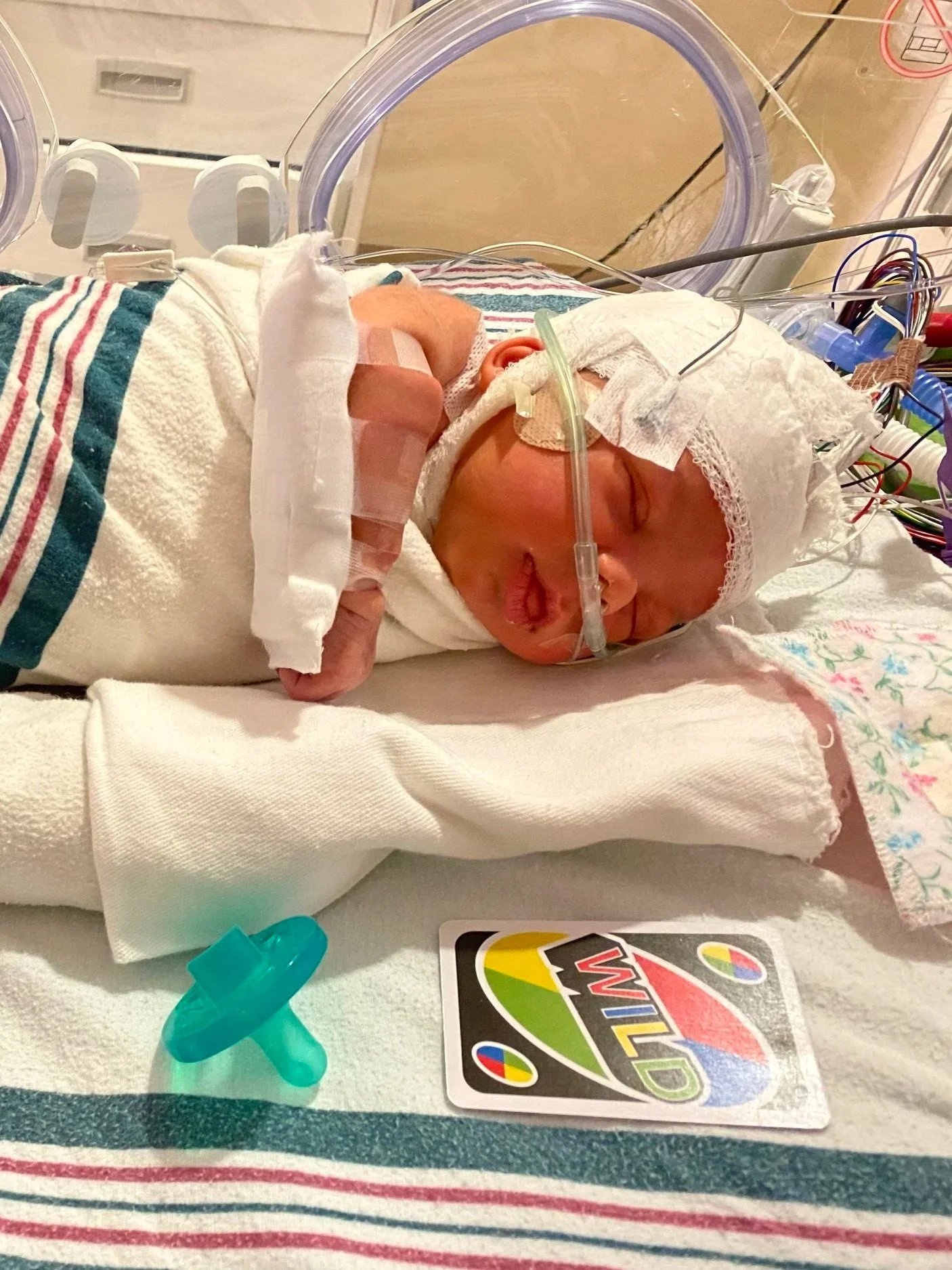
Liam during his NICU stay the day after he was born.
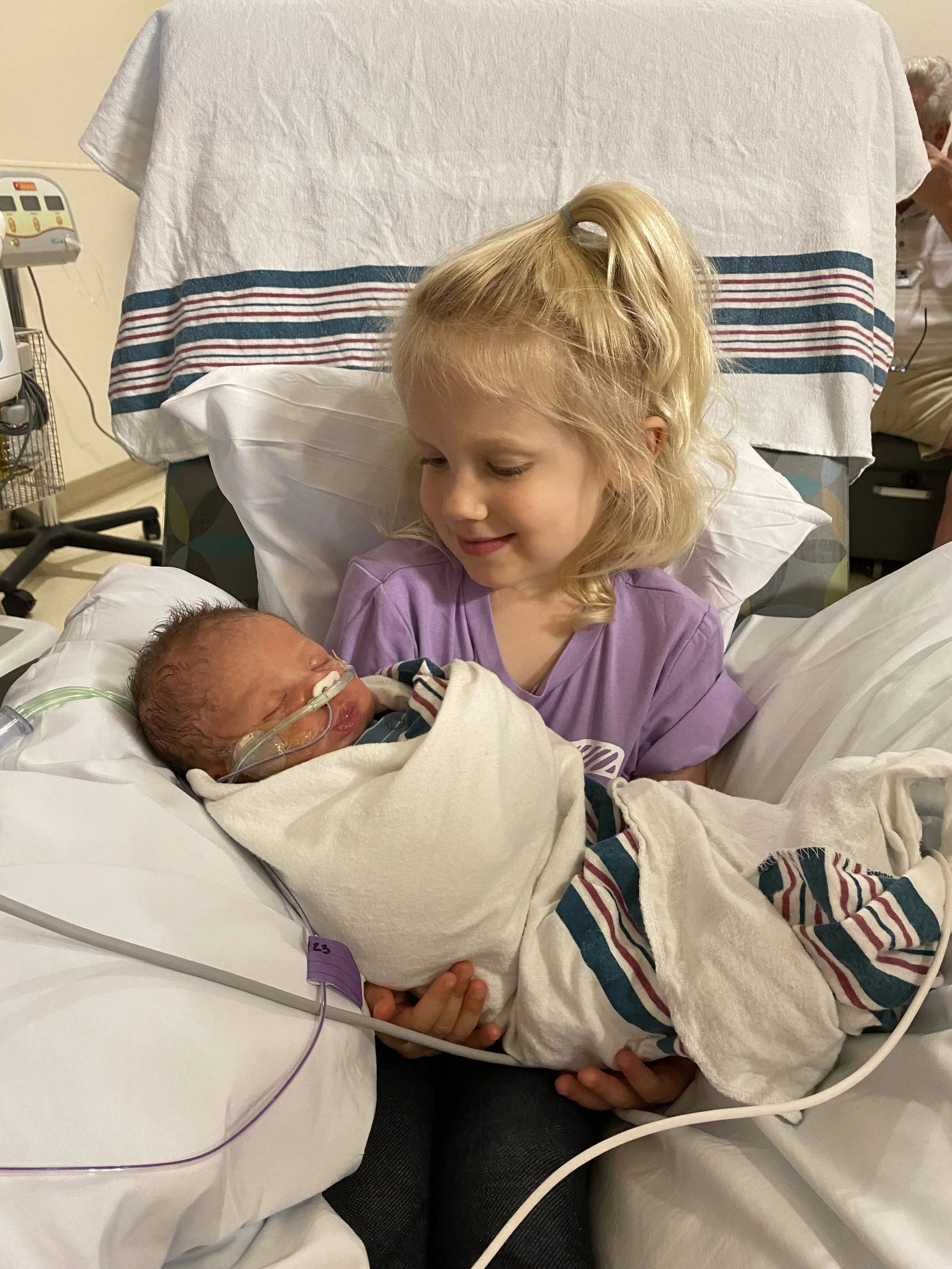
Liam meeting big sister #1 for the first time.
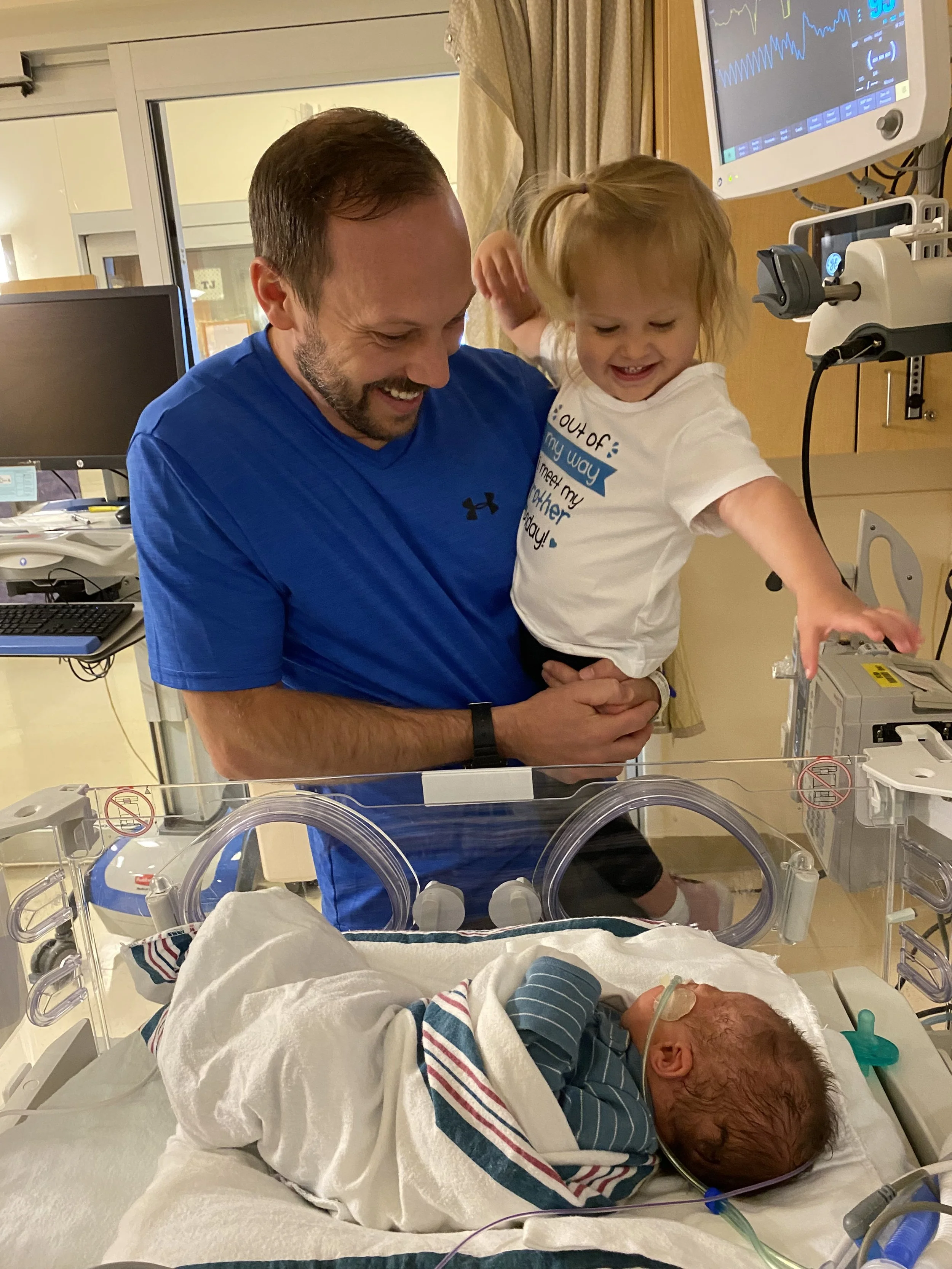
Liam meeting big sister #2 for the first time.
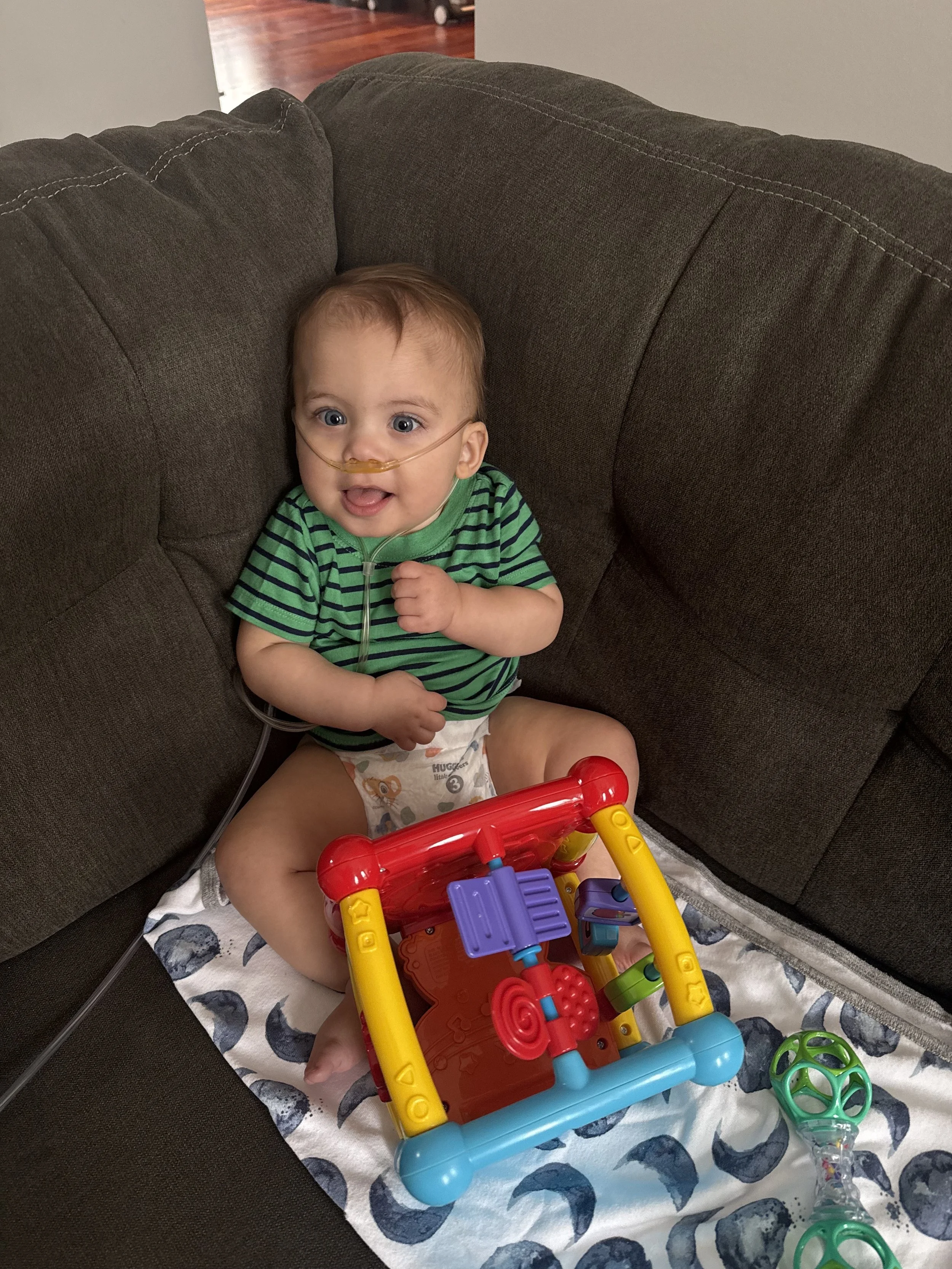
Liam during his 6 months on oxygen.
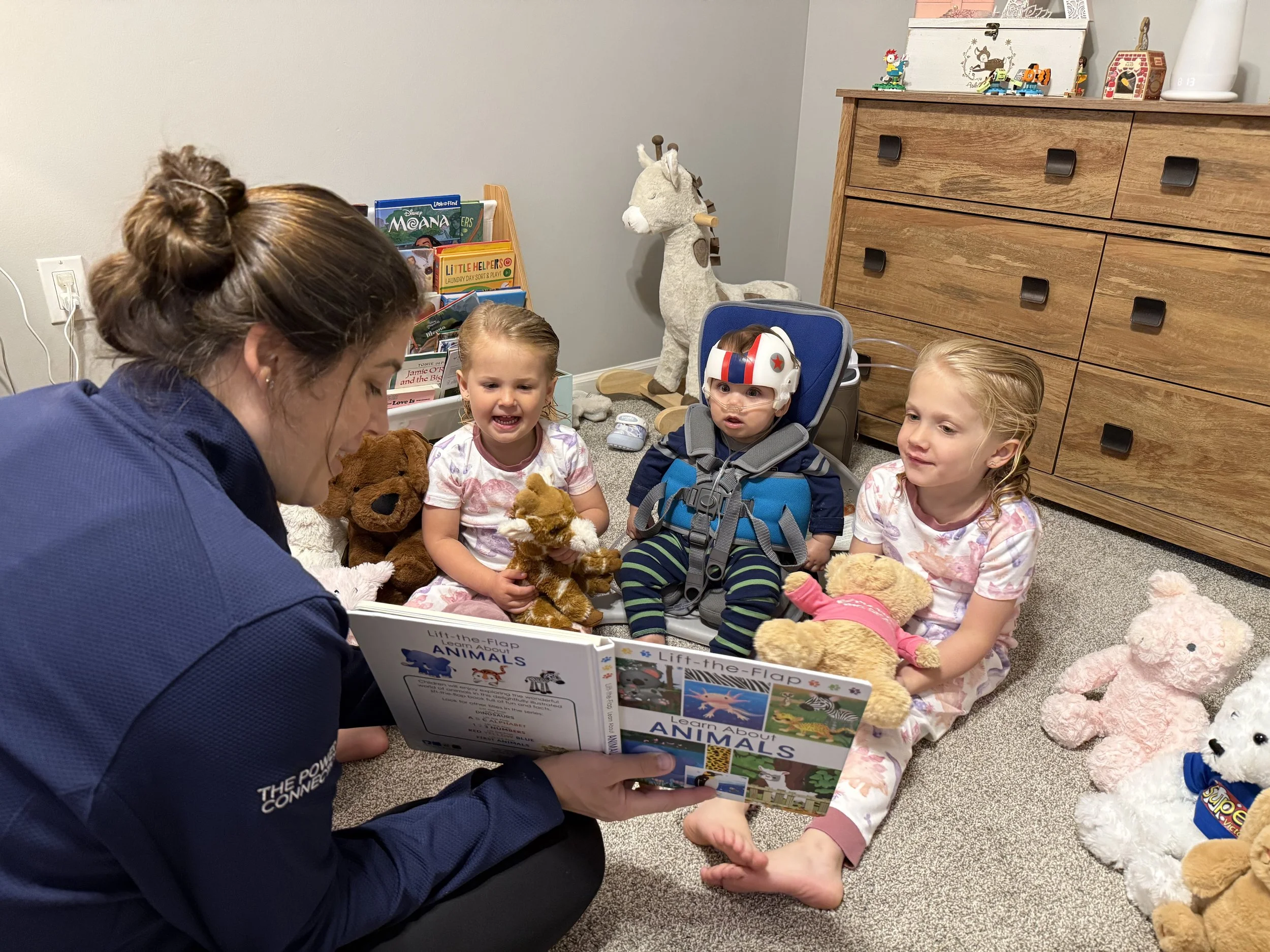
Liam using a device that helps him sit up so he can participate in story time with his family.
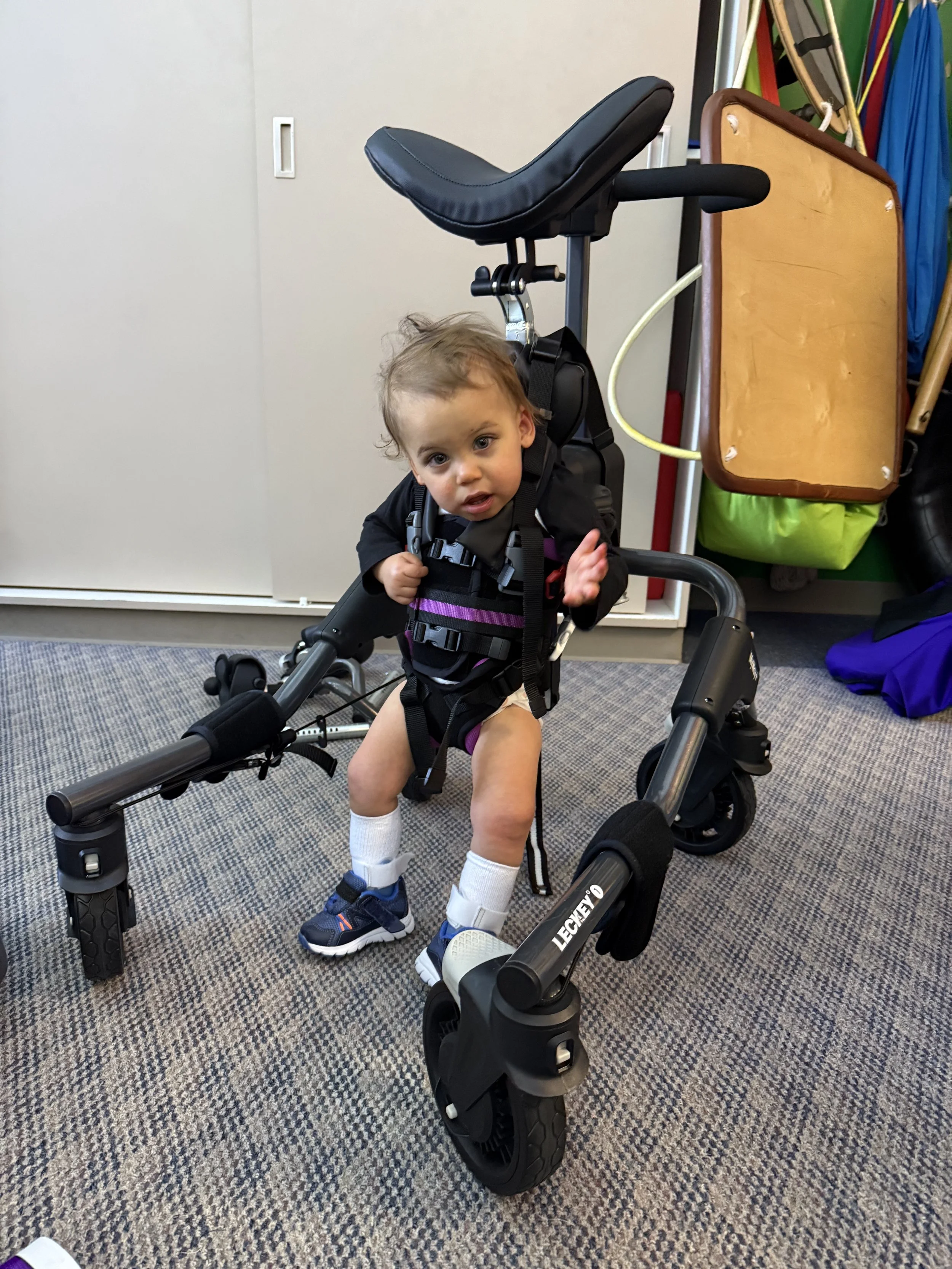
Using some equipment to encourage him to put weight on his legs.
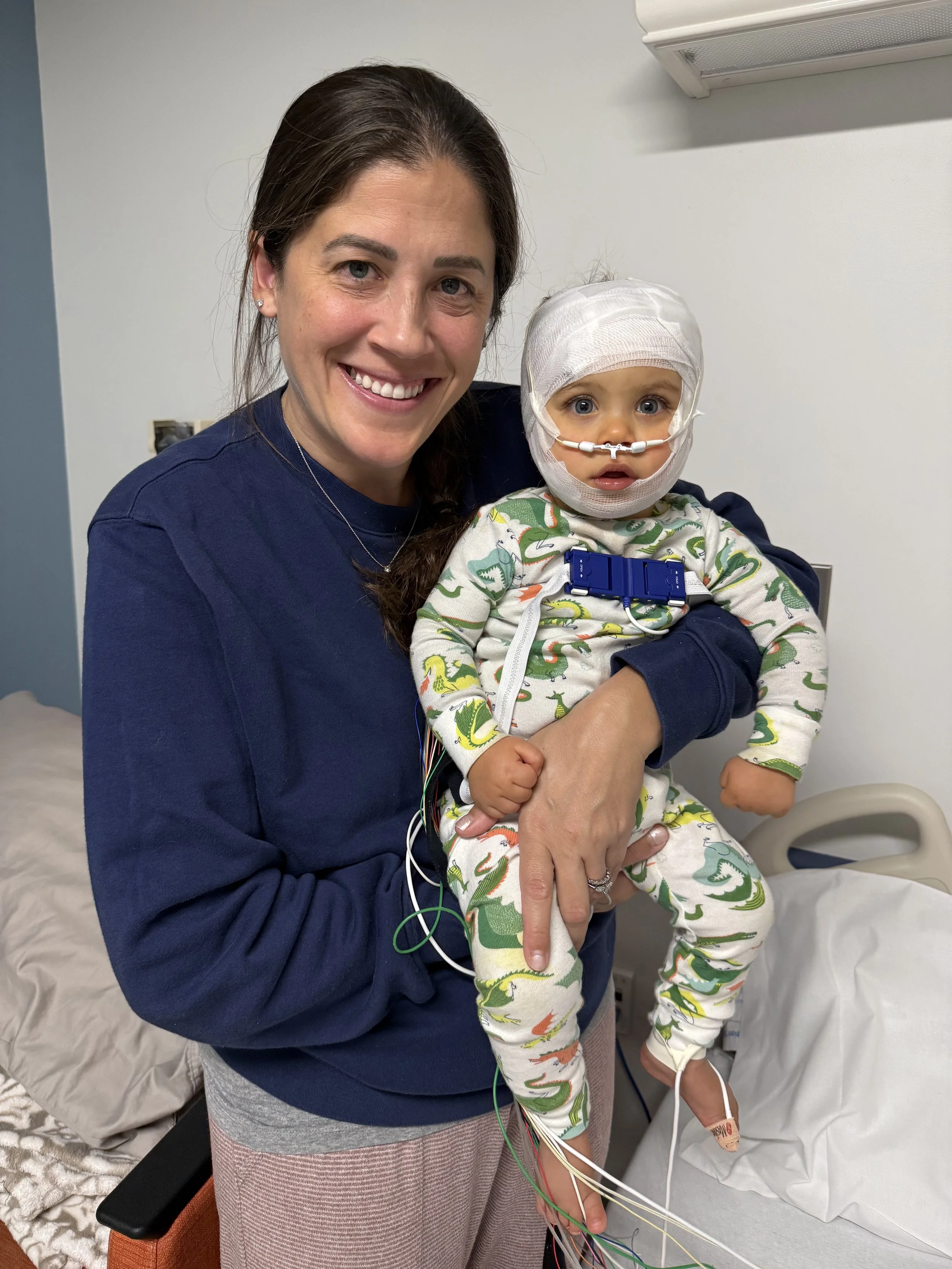
Liam during a sleep study.
More about GnaI1-NDD
GNAI1 is an extremely rare neurodevelopmental disorder. Liam is one of fewer than 30 known people in the world with this diagnosis. Since there are so few cases, research is very slim and most health care professionals are not well educated, so his prognosis is unknown.
GNAI1 is the name of a specific gene. Genes are the instruction manuals for our bodies. The GNAI1 gene provides the blueprint for a protein that acts like a cellular messenger, ensuring signals are passed correctly within cells, especially in the brain.
When the GNAI1 gene has a change, the messenger protein doesn't work as it should, which disrupts normal cell communication.
GNAI1 comes with a range of complex symptoms, including:
Developmental delays
Intellectual disability
Hypotonia (low muscle tone)
Epilepsy (seizures)
Neurobehavioral manifestations